Seasickness... For some sailors, it's a minor inconvenience, while for others, it's an obstacle that turns the joy of the sea into a nightmare. So, is there a way to protect yourself from this annoying condition? The answer is yes! The choice of boat is one of the factors that directly affects the severity of seasickness. Different hull types exhibit different behaviors at sea, and these behaviors can increase or decrease the likelihood of seasickness. As Limancepte experts, with the advice of our experienced captains, we will examine the most seasickness-resistant boat hull types.
Choosing the best hull type to cope with seasickness is the key to a comfortable sea voyage. Here's what you should pay attention to:
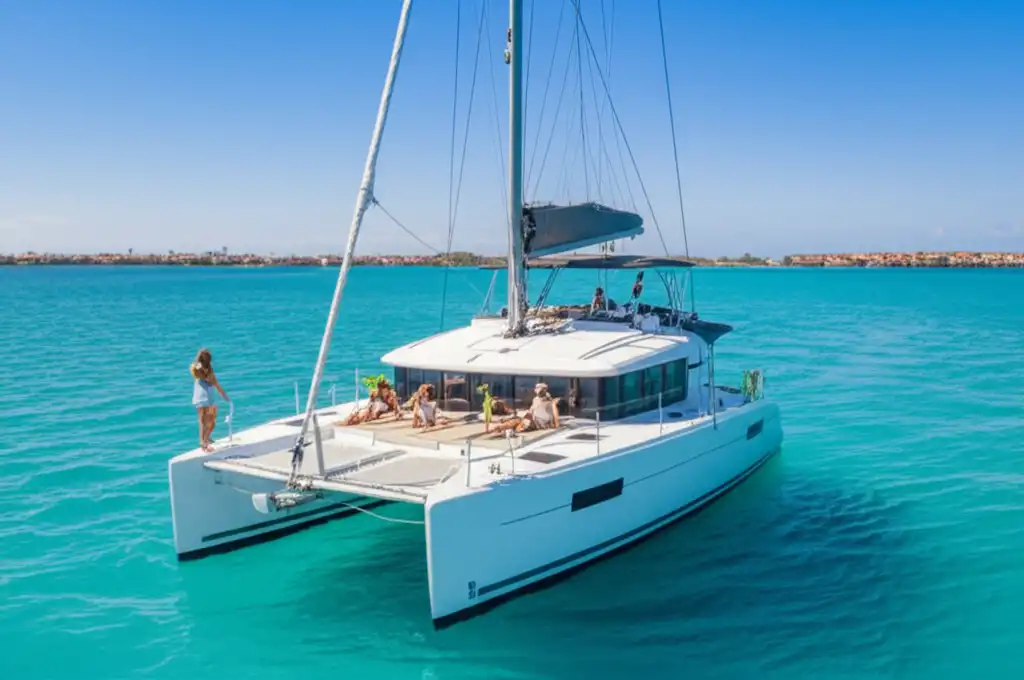
With their twin-hull structure, catamarans have a distinct stability advantage compared to monohulls. Their wide base area reduces their tendency to heel against waves, significantly reducing the risk of seasickness. Catamarans are an ideal choice, especially for those traveling in calm waters or looking for comfort with their families. Limancepte's experienced captains state that catamarans are popular not only in terms of seasickness but also due to advantages such as spacious living areas and fuel efficiency. But remember, catamarans can also rock in rough weather, so it is important to follow the weather conditions carefully.
Boats with deep V hulls cut through waves sharply. This provides a smoother sailing experience and minimizes sudden jolts. Deep V hulls are effective in reducing the risk of seasickness, especially at high speeds and in the open sea. However, it should be noted that these types of hulls consume more fuel and may be less stable at low speeds. Limancepte experts advise you to consider the intended use and frequency of use of the boat when choosing a deep V hull.
Displacement hulls provide a heavier and more balanced sailing experience by sinking deeper into the water. These types of hulls are less sensitive to waves and avoid sudden movements. They are generally preferred for long journeys and low-speed sailing. Displacement hull boats offer fuel efficiency and a comfortable sailing experience. However, they may not be suitable for those with high-speed expectations. Limancepte's experienced captains state that displacement hull boats are an ideal option, especially for those who want to spend their retirement at sea.
Regardless of the boat hull type, stabilizers are very effective in reducing seasickness. Stabilizers provide a more stable sailing experience by preventing the boat from rolling. Different types of stabilizers are available (active, passive, gyro, etc.), and each has different advantages and disadvantages. Limancepte experts recommend considering factors such as the size of the boat, its intended use, and budget when choosing a stabilizer. Stabilizers can be life-saving, especially for those who frequently experience seasickness.
Question 1: What is the most effective boat size against seasickness?
Answer: Generally, larger boats rock less. However, boat size alone is not the only determining factor. Other factors such as hull type, weight distribution, and stabilizers are also important.
Question 2: Do catamarans always rock less?
Answer: Catamarans generally rock less compared to monohulls. However, catamarans can also rock in rough weather. It is important to follow the weather conditions carefully and use appropriate sailing techniques.
Question 3: Can stabilizers be installed on every boat?
Answer: Yes, stabilizers can generally be installed on most boats. However, the selection and installation of stabilizers should be done according to the boat's characteristics and intended use. It is best to consult an expert.
Question 4: What else can be done to prevent seasickness?
Answer: In addition to choosing a boat, methods such as taking medication, consuming ginger, focusing on the horizon, getting fresh air, and avoiding alcohol can also be tried to prevent seasickness.
You can reach us 24/7 through our Customer Support Line or WhatsApp line.